
 Image 1 of 2
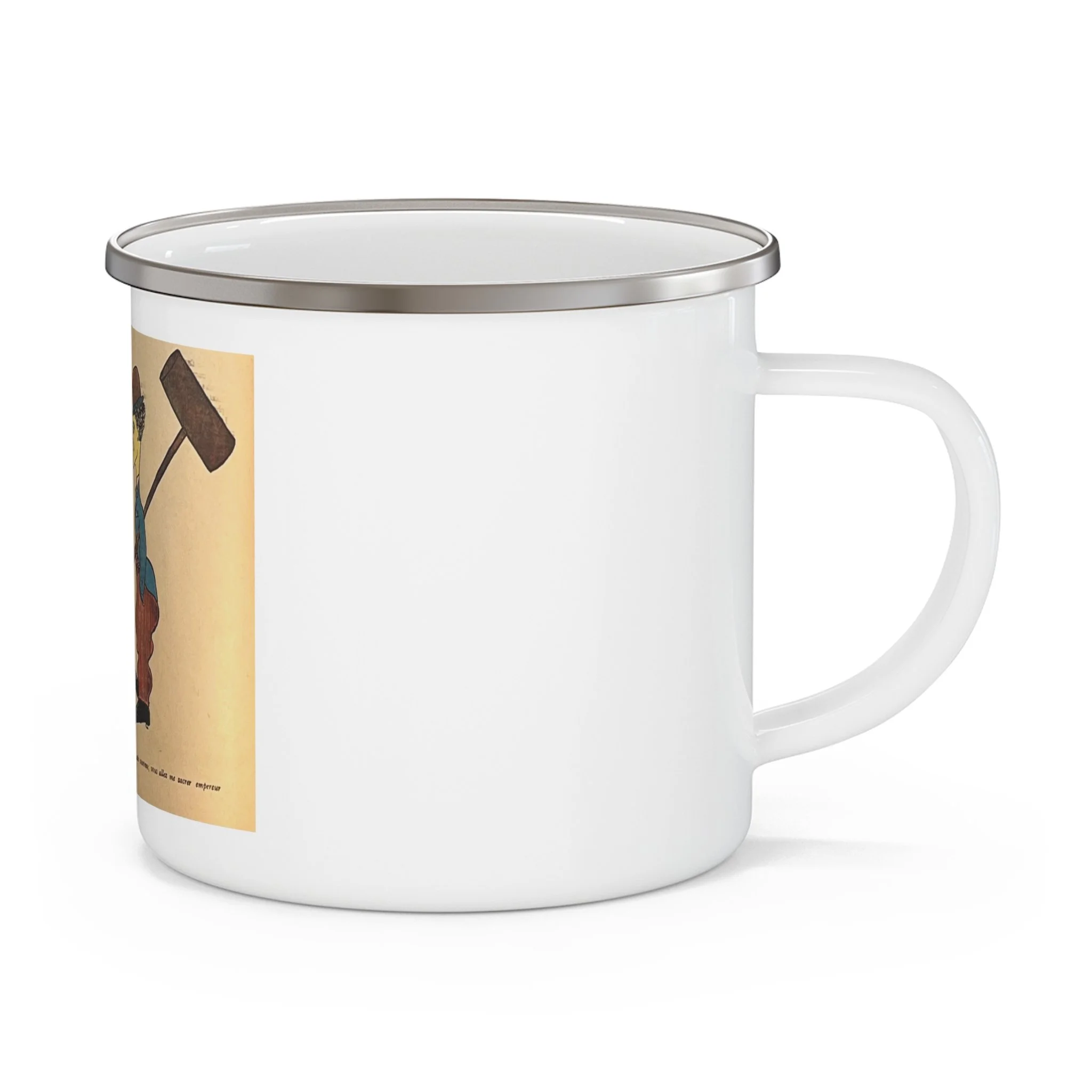 Image 2 of 2
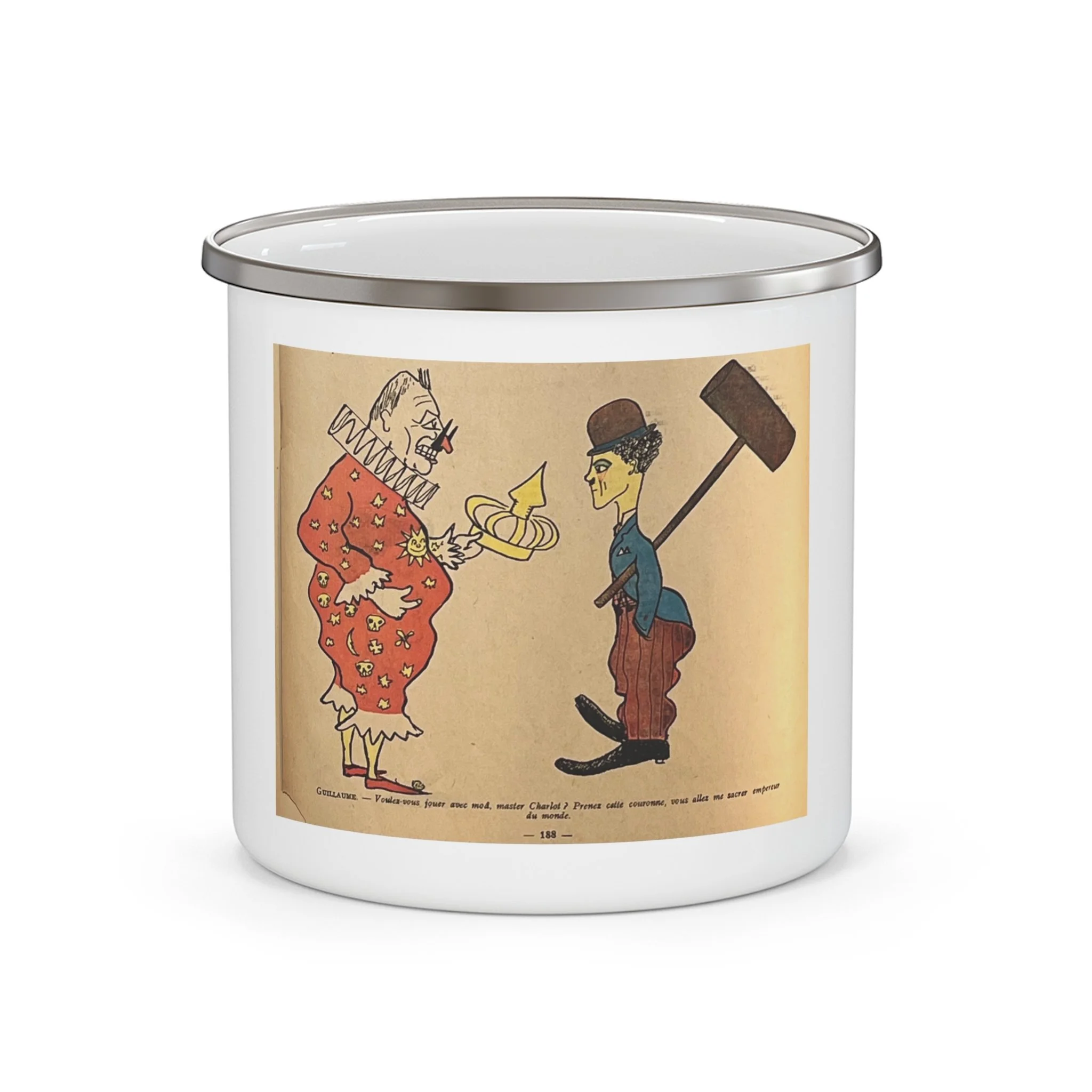
Satire aimed at authoritarian vanity and the theatrical staging of power.
The image frames empire as a childish performance, where ambition seeks validation through spectacle rather than consent. Authority invites participation in its own myth, only to be met with refusal, exposing how fragile domination becomes once its illusions are challenged.
Historical Note
This caricature appeared in a 1917 issue of La Baïonnette and was created by Pierre-Henri Cami. Using Charlie Chaplin’s screen persona “Charlot,” it mocks Kaiser Wilhelm II’s imperial pretensions, puncturing the fantasy of world domination through humor and refusal.
See the full Cami: Charlie Chaplin Collection here
Enamel mug | Stainless steel core | Lead- and BPA-free | Hand wash only
Add two mugs to your cart to receive an automatic bundle discount.
Satire aimed at authoritarian vanity and the theatrical staging of power.
The image frames empire as a childish performance, where ambition seeks validation through spectacle rather than consent. Authority invites participation in its own myth, only to be met with refusal, exposing how fragile domination becomes once its illusions are challenged.
Historical Note
This caricature appeared in a 1917 issue of La Baïonnette and was created by Pierre-Henri Cami. Using Charlie Chaplin’s screen persona “Charlot,” it mocks Kaiser Wilhelm II’s imperial pretensions, puncturing the fantasy of world domination through humor and refusal.
See the full Cami: Charlie Chaplin Collection here
Enamel mug | Stainless steel core | Lead- and BPA-free | Hand wash only
Add two mugs to your cart to receive an automatic bundle discount.