
 Image 1 of 2
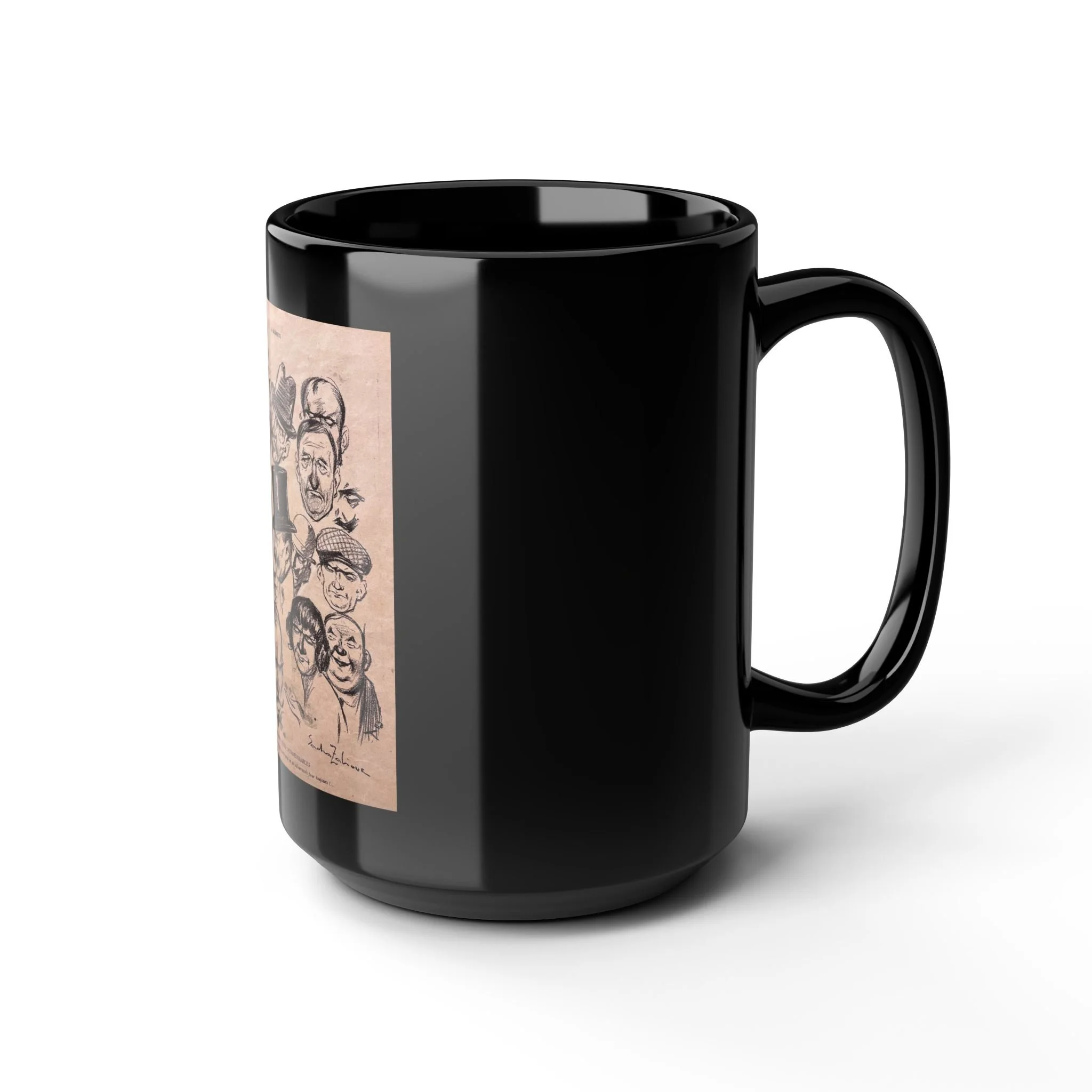 Image 2 of 2
Satire directed at figures who profit, posture, and presume themselves untouchable.
When political authority, financial advantage, and moral certainty converge in the same hands, caricature becomes a form of record-keeping. Wartime satire captured these faces with precision—and the type has not disappeared.
Historical note:
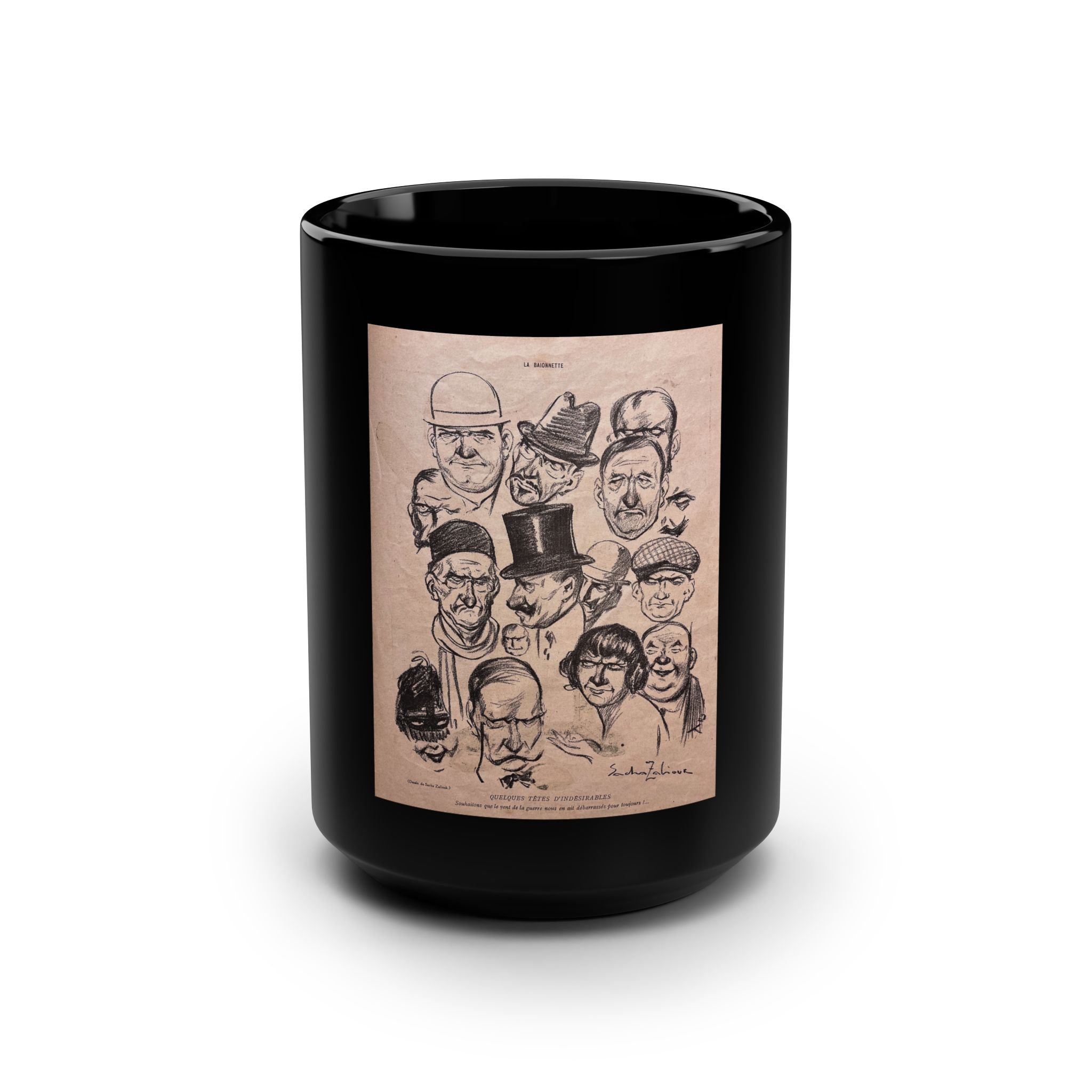
The image comes from a 1916 issue of the French satirical magazine La Baïonnette. The caricature page presents a gallery of so-called “undesirables,” targeting politicians, profiteers, and public figures associated with corruption and wartime exploitation. The original caption reads: « Quelques têtes d’indésirables » (“Some undesirable faces”).
Satire directed at figures who profit, posture, and presume themselves untouchable.
When political authority, financial advantage, and moral certainty converge in the same hands, caricature becomes a form of record-keeping. Wartime satire captured these faces with precision—and the type has not disappeared.
Historical note:
The image comes from a 1916 issue of the French satirical magazine La Baïonnette. The caricature page presents a gallery of so-called “undesirables,” targeting politicians, profiteers, and public figures associated with corruption and wartime exploitation. The original caption reads: « Quelques têtes d’indésirables » (“Some undesirable faces”).